Rubber Rolls are pretty important in a bunch of different industries these days. I came across a report from MarketsandMarkets that said the global rubber market might hit around $41.5 billion by 2025 — no small figure! This just goes to show how much demand there’s for materials like rubber rolls across various sectors. Manufacturers really rely on these rolls because they’re durable and versatile, especially when it comes to flooring. I mean, think about gym floors — those heavy weights and intense workouts need something tough, right?
In the fitness world, rubber matting and rolls are a gym’s best friends. They’re great at absorbing shocks and resisting impacts, which is super important for safety. A good rubber gym flooring roll can really make a difference — it helps prevent injuries and keeps the workout environment safe. Plus, gym mats and Rubber Flooring tiles aren’t just practical; they also add a bit of style to the place.
That said, making rubber rolls isn’t all smooth sailing. There are some environmental concerns popping up about where the rubber comes from, which is becoming a serious talking point. Companies now have to figure out how to keep up with the demand while also being more eco-friendly. Finding that balance between cost, quality, and sustainability is pretty tricky. Take rubber gym tiles, for example — they combine both function and a nice look, but there’s always room for making them better and more eco-conscious.

What is a Rubber Roll?
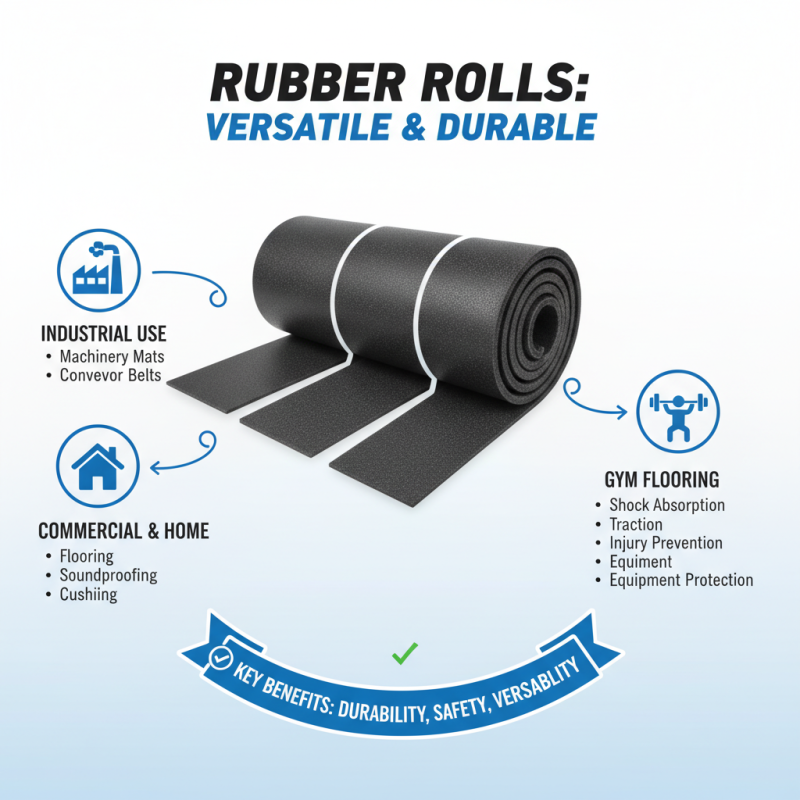
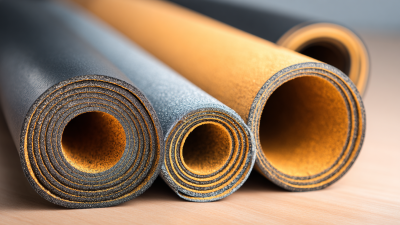
Rubber rolls are versatile products used in various sectors. They come in different sizes and thicknesses. Typically, they are made from high-quality rubber materials to ensure durability. These rolls serve multiple functions, from flooring to cushioning. In the gym industry, rubber rolls are popular choices for floors. They provide excellent traction and shock absorption. Gym rubber floor rolls are essential for preventing injuries during workouts.
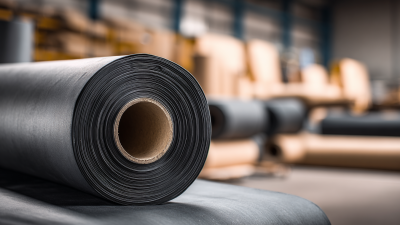
In manufacturing, rubber rolls are utilized in printing and surface coating processes. They help evenly distribute inks and adhesive. This guarantees a smooth finish on products. Additionally, rubber rolls can serve as rollers in conveyor systems. They aid in moving items efficiently. However, not all rubber rolls are created equal. Some may wear out quickly. It's crucial to select quality materials that withstand the demands of their intended use.
In the food industry, rubber rolls are used for production lines. They ensure hygiene and safety standards. Yet, choosing the wrong type can lead to contamination. Thus, understanding the specific requirements is vital. Many industries benefit from high-performance rubber rolls, but not every option suits every application. Researching and evaluating options can prevent costly mistakes. Investing in the right product, like gym rubber roll flooring, is essential for success.
Composition and Manufacturing Process of Rubber Rolls
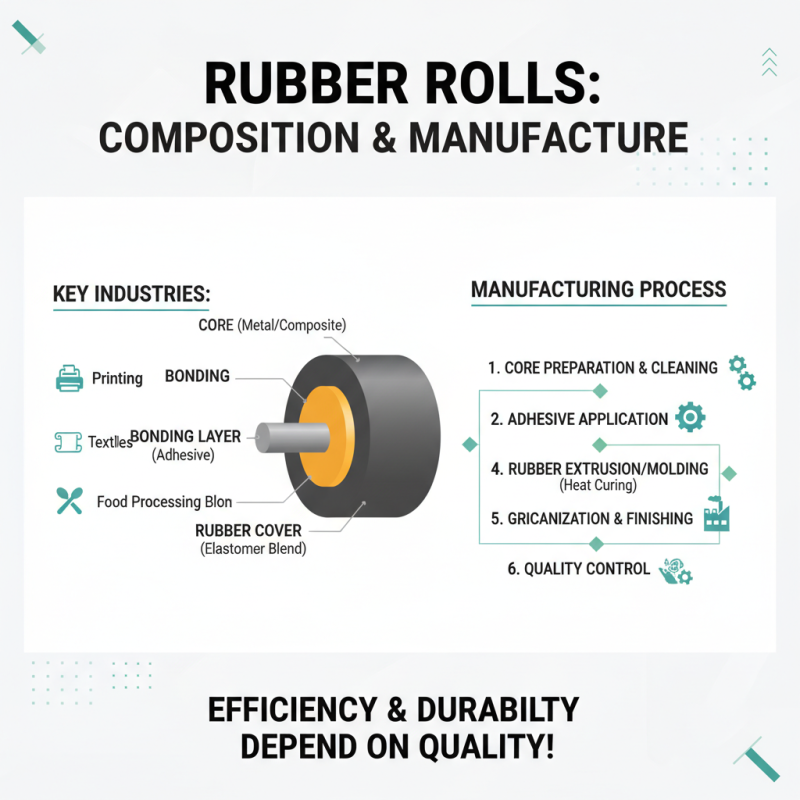
Rubber rolls are essential components in various manufacturing processes. They play a significant role in industries such as printing, textiles, and food processing. Understanding the composition and manufacturing process of these rolls is crucial to their efficiency and durability.
Rubber rolls are typically made from natural and synthetic rubber blends. This mixture provides the desired flexibility and resilience. The manufacturing process begins with selecting quality raw materials. The rubber is then mixed with additives like pigments and vulcanizing agents. After the mixing, the rubber goes through a series of shapes and molds. Heat and pressure are applied, transforming the raw material into a solid roll.
The curing process can be complex and requires precision. Any inconsistency can lead to defects in the final product. Quality control measures are necessary at each stage. Engineers often test the rolls for hardness, elasticity, and durability. In some cases, variations in the formulation may yield unexpected results, requiring adjustments. This highlights the need for constant evaluation in the manufacturing process.
Common Properties and Characteristics of Rubber Rolls
Rubber rolls are versatile products with unique properties. They are often used in various industries. Their density can range from high to low, which affects durability and resilience. A common application is in gyms, where a Gym Room Waterproof High Density Rubber Tile Gym Rubber Floor Roll provides an excellent surface for workouts. These rolls resist water and wear, making them ideal for heavy foot traffic.
Another important characteristic of rubber rolls is their ability to absorb sound. This feature makes them suitable for environments where noise reduction is essential. Additionally, rubber rolls have excellent grip, preventing slips and falls in high-activity settings. Their elasticity also allows for flexibility during use, enhancing comfort.
Tip: Consider the thickness of the rubber roll when choosing the right one for your project. Thicker rolls often provide better shock absorption and comfort. Remember to check the surface texture for the intended use. Not all rubber rolls are created equal. Adjust your choice based on specific needs to avoid potential issues later.
Applications of Rubber Rolls in Manufacturing Industries
Rubber rolls are versatile materials used across many manufacturing industries. They are often found in gym settings, especially as EPDM fitness rubber roll flooring. This type of flooring provides excellent shock absorption and durability for weightlifting and aerobic classes. The textured surface ensures grip during exercises, making the gym environment safer for users.
In addition to fitness applications, rubber rolls serve various purposes in manufacturing. They are utilized as conveyor belts in factories, allowing for smooth transport of goods. Their flexibility and resilience provide solutions for industries working with heavy materials. The noise-dampening quality of rubber rolls also helps reduce sound in production areas. Yet, there are challenges, such as maintenance and wear over time, that require careful consideration.
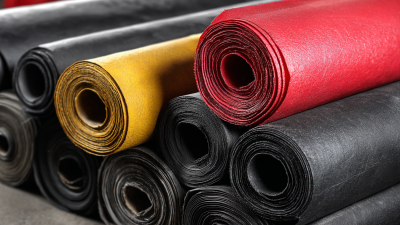
Sports rolls of rubber matting are another popular application. They enhance floor protection in sports facilities and schools. These rolls are customizable, allowing different thicknesses and colors to suit specific needs. However, inconsistent quality across products can be an issue. Companies must verify that the rubber material meets standards for safety and durability.
Role of Rubber Rolls in Printing and Paper Industries
Rubber rolls play a significant role in printing and paper industries. They are essential for transferring ink to various surfaces. The design of these rolls ensures an even application. This enhances print quality dramatically. Often, they are made from materials that are eco-friendly and durable. Printing tasks often require materials to be versatile.
In addition to printing, rubber rolls are integral to paper handling processes. They help in guiding and supporting paper through machinery. This reduces the risk of jams and misalignment. A well-designed rubber roll can be both anti-static and wear-resisting. This feature is crucial, especially when dealing with delicate papers. It's interesting to note how thickness variations, typically between 3mm to 10mm, can impact performance.
Despite these advantages, there are limitations. Not all rubber rolls are created equal. Some may wear out faster than expected. The development of a truly durable product requires ongoing innovation. Therefore, manufacturers must reflect on their designs. Finding the right balance between functionality and longevity remains a challenge. The right combination of materials can lead to a more effective solution in the long run.
Uses of Rubber Rolls in Food Processing and Packaging
Rubber rolls play a crucial role in food processing and packaging. These durable components are widely used in various machinery to support efficient operations. For instance, they provide a reliable surface for transporting products through production lines. It’s reported that rubber rolls can improve product handling by up to 30%, enhancing overall efficiency.
In food packaging, rubber rolls help create smooth seals and maintain product freshness. They are essential for equipment used in wrapping and sealing food items. The right type of rubber can withstand temperatures from freezing to high heat. This versatility is key for different food products, ensuring they remain uncontaminated during processing.
**Tip**: Always choose the right rubber material for specific food items. Different foods may require distinct properties, like oil resistance or temperature tolerance.
Regular maintenance of rubber rolls is essential. Minor wear can lead to significant issues, impacting packaging quality. Inspect rolls for any signs of damage to avoid costly downtime. Remember, proactive maintenance is more cost-effective than reactive repairs.
What is a Rubber Roll and Its Uses in Various Industries?
| Industry | Application | Benefits |
| Food Processing | Conveying food products, ensuring safe handling | Non-toxic, easy to clean, reduces contamination risk |
| Packaging | Creating seals, cushioning products during transport | Durable, shock absorbent, customizable |
| Textile | Printing patterns on fabric | Precision, consistency in design application |
| Automotive | Producing tires, seals, and gaskets | High durability, excellent grip, weather resistance |
| Printing | Roller applications in rotary printing | Uniform ink distribution, reduced waste |
| Construction | Vibration dampening and stabilization | Enhances safety, extends equipment lifespan |
Future Trends and Innovations in Rubber Roll Technology
The rubber roll industry is evolving. Innovations are shaping its future. Technology advancements enhance efficiency and reduce environmental impact.
One significant trend is the use of sustainable materials. Manufacturers are exploring bio-based rubbers. These materials can lower carbon footprints. They also reduce dependency on fossil fuels. This shift is crucial for eco-conscious businesses.
Another trend involves smart technology integration. Sensors embedded in rubber rolls can monitor performance. This real-time data can help industries make informed decisions. It also allows for predictive maintenance. Fewer breakdowns mean improved productivity.
Tips for businesses considering rubber rolls: Assess your specific needs. Test different materials for optimal performance. Keep an eye on emerging technologies. They can significantly change operational processes over time. Prioritize sustainability in your choices. This can benefit both the planet and your bottom line.
The Ultimate Guide to Choosing Durable Rubber Flooring Sports Mats for Your Gym or Athletic Space
When selecting durable rubber flooring sports mats for gyms or athletic spaces, it's essential to prioritize performance features that enhance safety and functionality. One option stands out for its superior characteristics: a product made from 100% EPDM particles. This material is not only robust but also offers excellent load-bearing capacity and resilience against repeated high-impact forces. The advanced molding and spiral-cut technology ensure that these mats provide optimal cushioning and friction, making them ideal for a variety of athletic activities.
The versatility of thickness options available further enhances their appeal, with choices ranging from 4mm to 20mm. This allows users to select a mat that best fits their specific needs, whether for high-intensity weightlifting or lower-impact exercises. Additionally, incorporating shock-absorbing layers can significantly improve the performance of the flooring in environments subject to extreme conditions. Choosing mats that combine durability with ease of maintenance means a long-lasting investment for any gym or athletic space, ensuring both athletes and fitness enthusiasts enjoy a safe and supportive training environment.
FAQS
: Setting goals gives you direction. It helps you focus your energy and resources effectively.
Find a reason behind your goal. Remember why it matters to you. Celebrate small achievements.
Obstacles are common. Reflect on what you can learn. Adjust your plans but stay committed.
Use journals or apps to monitor your journey. Regularly check your achievements against your goals.
Failure can be a teacher. It allows you to learn, grow, and refine your approach.
Prioritize tasks based on urgency. Use timers to focus better and minimize distractions.
It's normal to feel distracted. Take short breaks, then refocus on tasks. Revisit your goals.
Self-care impacts your productivity. Make time for rest and activities that recharge you.
Absolutely. Life evolves, and so can your aspirations. Reflect and adapt as needed.
Change your surroundings if possible. A fresh space can spark creativity and enhance focus.
Conclusion
Rubber rolls are essential components utilized across various industries, known for their versatility and durability. Manufactured through a specific process that combines different rubber compounds, these rolls possess unique properties that make them suitable for a wide range of applications. Their common characteristics include resilience, flexibility, and resistance to wear and tear, enabling them to perform optimally in diverse manufacturing environments.
In manufacturing, rubber rolls are critical for processes such as coating, laminating, and printing, where they ensure surface quality and efficiency. In the printing and paper industries, rubber rolls facilitate high-quality image transfer and consistency. Additionally, their role in food processing and packaging protects products while maintaining hygienic standards. As technology advances, innovations in rubber roll design and functionality continue to emerge, promising enhanced performance and broader applications in the future.